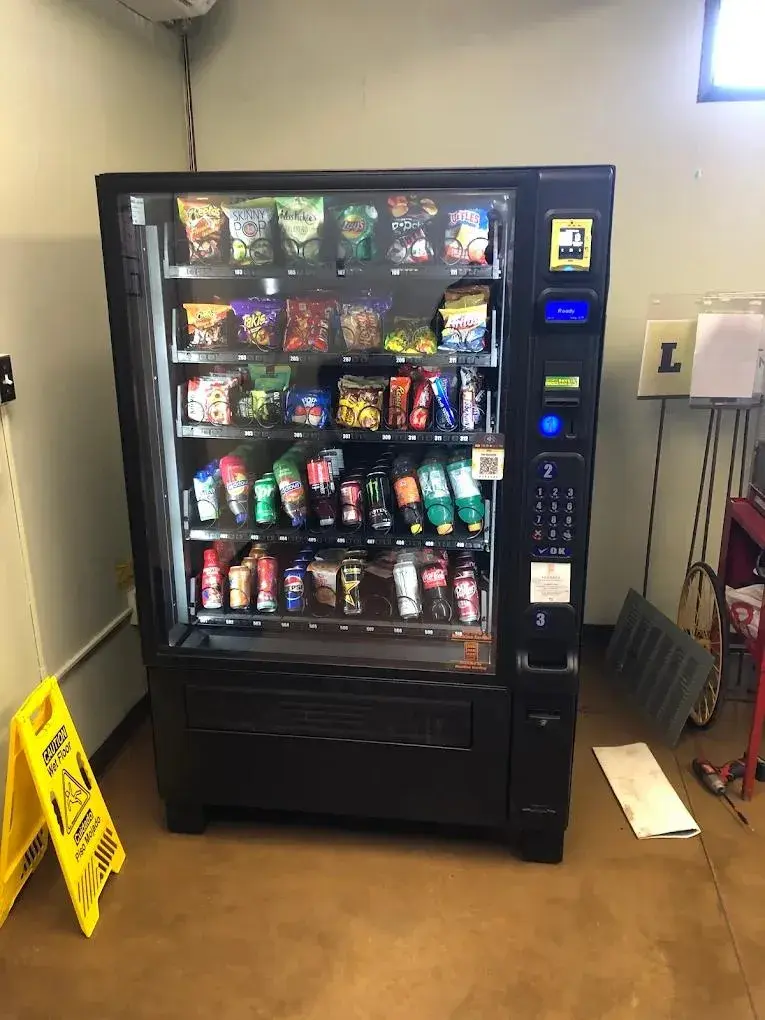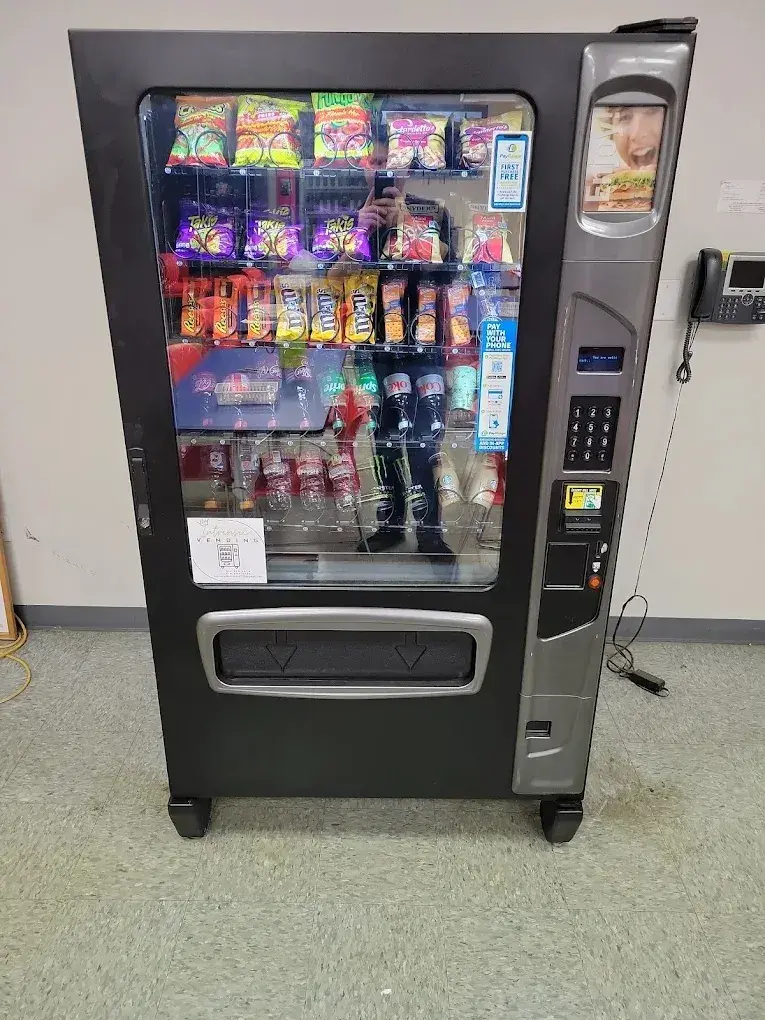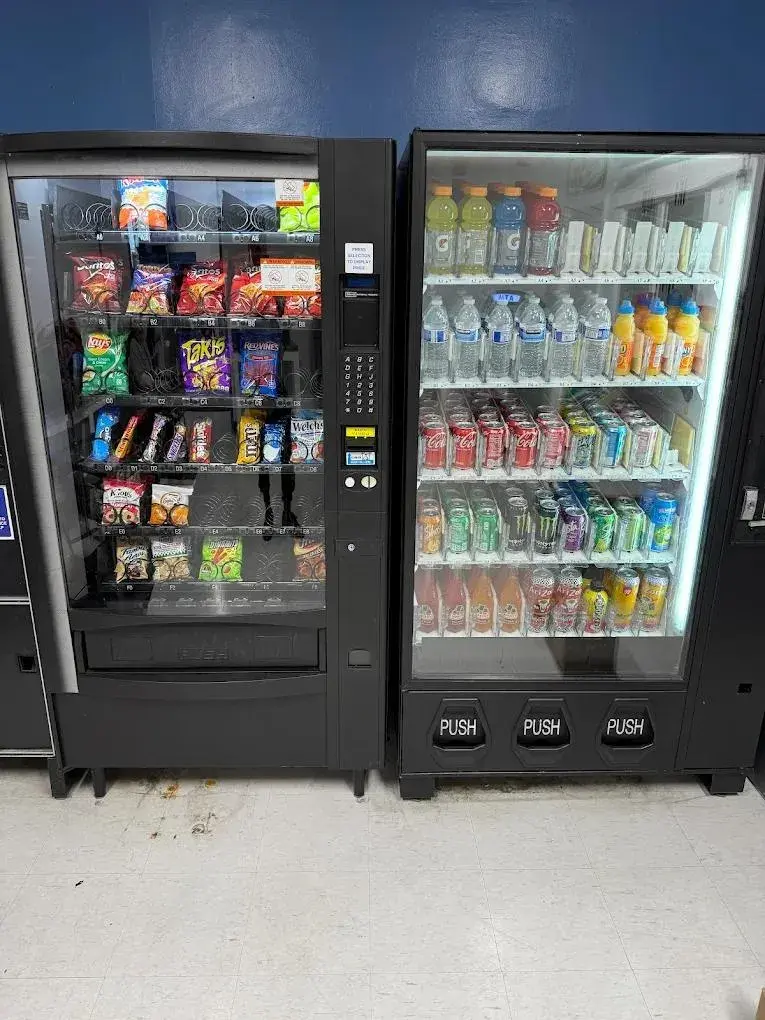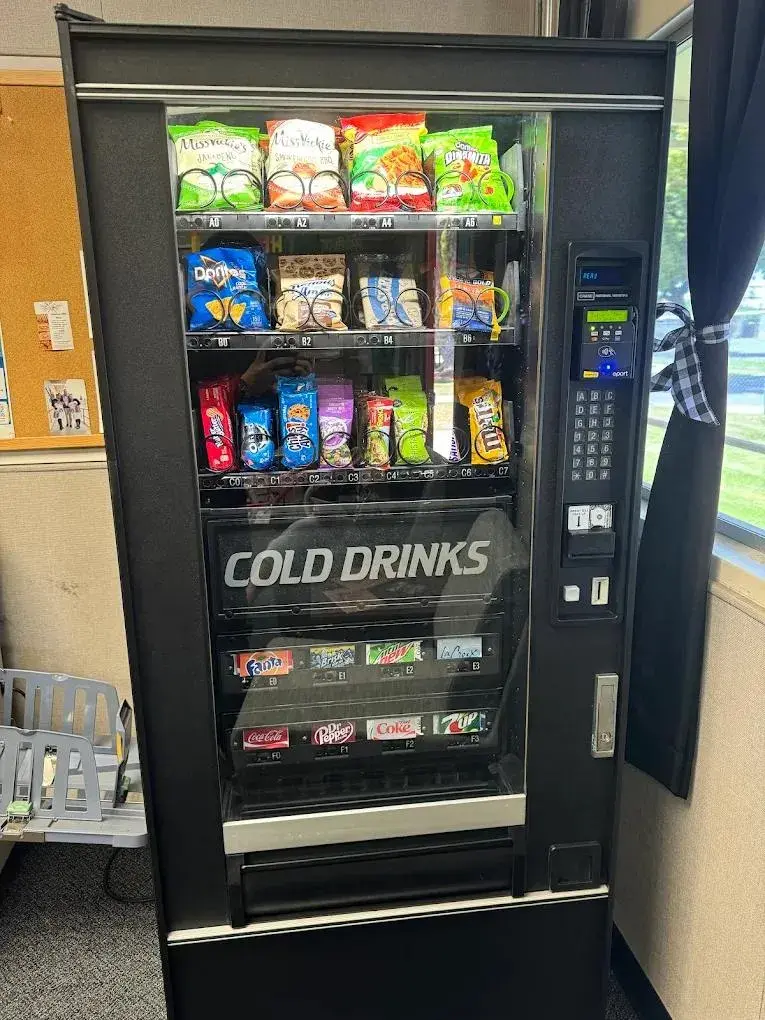
Specialized Vending for Industrial Chicago Workplaces
Warehouse and manufacturing environments are nothing like typical offices, and the vending solutions that work in a corporate break room simply do not translate to an industrial floor. The challenges are different, the workers are different, and the product needs are different. If you manage a warehouse, distribution center, or manufacturing facility in the Chicago area, this guide will walk you through everything you need to know about getting vending right for your team.
At Fast Fuel Vending, we serve a range of industrial facilities across Chicago and the suburbs, and we have learned firsthand what works and what does not in these demanding environments. Warehouses are just one of many industries we serve.
The Warehouse Vending Challenge
Industrial workplaces differ from offices in fundamental ways that directly affect how vending needs to be set up and managed.
- Multiple shifts. Many warehouses and factories operate around the clock. According to the Bureau of Labor Statistics (BLS), the Chicago metropolitan area is one of the largest manufacturing employment hubs in the country, with hundreds of thousands of workers across multiple-shift operations. Your vending solution needs to be available and well-stocked at 2 AM the same way it is at 2 PM.
- Physical labor. Workers doing heavy lifting, operating machinery, and staying on their feet for 8-12 hour shifts burn significantly more calories and need more hydration than desk workers. The product mix needs to reflect that.
- Dispersed workspaces. A 100,000+ square foot facility cannot rely on a single vending point in a break room on the far end of the building. Workers will not walk ten minutes for a bottle of water during a 15-minute break.
- Break time constraints. When breaks are 15 minutes, every minute counts. Machines need to vend quickly and reliably. A jammed machine or a long walk to the break area is not just an inconvenience. It means workers miss out on actual rest.
- Temperature extremes. Loading docks, non-climate-controlled areas, and spaces near heavy equipment all create temperature challenges for both the machines and the products inside them.
- Dust and debris. Warehouses and manufacturing floors generate dust, particles, and sometimes chemical residue that can affect machine components over time. This is not something you deal with in an office setting.
Unique Challenges of Warehouse Vending
Let us be specific about the environmental factors that make industrial vending different from office vending.
Dust and Air Quality:
Airborne dust from packaging, raw materials, and general warehouse activity can clog machine vents, affect payment readers, and settle on product surfaces. Machines in these environments need more frequent cleaning and maintenance, and they benefit from being placed in enclosed or semi-enclosed break areas when possible.
Temperature Fluctuations:
If your facility has areas that are not climate-controlled, or if loading dock doors open and close frequently, temperature swings can affect both machine performance and product quality. Refrigerated machines work harder in warm environments, and extreme cold can affect electronics. We account for this when selecting and placing equipment.
Shift Schedules and Usage Patterns:
Office vending sees predictable morning and afternoon peaks. Warehouse vending sees usage spikes at every shift change, every break period, and often throughout the shift as workers grab water or quick energy on the go. This means machines need to hold more inventory and get restocked more frequently.
Forklift and Equipment Traffic:
In facilities with forklifts, pallet jacks, and other heavy equipment, machine placement needs to account for traffic patterns and potential impact. Machines should be placed in protected areas, ideally recessed into walls or positioned in break rooms away from active traffic lanes.
Solutions That Work
Strategic Multi-Machine Placement
For facilities over 50,000 sq ft, a single vending location is not enough. We recommend:
- Machines in or near every designated break area, so no worker is more than a few minutes away from refreshments
- Beverage-only machines positioned closer to the production floor (where facility rules allow), since hydration should not require a full trip to the break room
- A primary vending cluster in the main break area with a wider product selection, and satellite machines in secondary locations with a focused selection of the most popular items
Placement Strategy for Large Facilities:
| Facility Size | Recommended Setup |
|---|---|
| Under 25,000 sq ft | 1-2 machines in the main break area |
| 25,000 - 50,000 sq ft | 2-3 machines, consider a secondary vending point |
| 50,000 - 100,000 sq ft | 3-5 machines across multiple break areas |
| 100,000+ sq ft | 5+ machines, potentially a micro-market in the main break area plus satellite machines |
The right setup depends on your specific layout, headcount, and shift structure. We do a free walkthrough of your facility to figure this out.
Ideal Product Mix for Physical Labor
The standard office vending mix of candy bars and soda does not serve warehouse workers well. Physical labor demands a product selection that prioritizes sustained energy and hydration.
Hydration (The Top Priority):
- Bottled water in multiple sizes (16 oz and 1 liter)
- Electrolyte drinks like Gatorade, BODYARMOR, and Pedialyte Sport
- Coconut water for natural electrolyte replenishment
- Sugar-free hydration options for workers watching their intake
For more on healthy vending options and how to build a balanced product mix, see our wellness guide.
High-Protein, High-Energy Snacks:
- Protein bars (Quest, KIND, RXBar, Clif Builder's)
- Beef jerky and meat sticks
- Nuts and trail mix in substantial portions
- Peanut butter crackers and cheese crackers
- Protein cookies
Quick Meals and Substantial Snacks:
- Sandwiches and wraps (in micro-market setups)
- Cup noodles and microwaveable meals (if your break area has a microwave)
- Granola bars and oat-based snacks
- Fruit cups and applesauce pouches for quick, clean energy
Energy and Caffeine:
- Energy drinks (Monster, Red Bull, Celsius, Bang)
- Ready-to-drink coffee and cold brew
- Pre-workout beverages for early morning shifts
Rugged Equipment
Our machines for warehouse environments are selected and configured for durability:
- Industrial-grade components that withstand heavier use than typical office machines
- Enhanced cooling systems for facilities that run warmer than a standard office
- Anti-vibration design for areas near heavy equipment or high foot traffic
- Reinforced panels and exteriors for durability in environments where things get bumped
- Sealed payment systems that resist dust and debris buildup
- High-capacity models that hold more product to reduce the risk of stockouts between service visits
Serving Multiple Shifts
One of the biggest operational differences between office and warehouse vending is managing inventory across multiple shifts. For a deeper look at stocking schedules and maintenance best practices, see our vending operations guide. Here is how we handle it.
Day Shift (6 AM - 2 PM):
- Coffee and breakfast items are in highest demand early in the shift
- Water and sports drink consumption picks up by mid-morning
- Standard lunch snacks and quick meals for the lunch break
- This is typically the highest-volume shift, so machines need to be fully stocked before day shift starts
Swing Shift (2 PM - 10 PM):
- Afternoon energy snacks and caffeine become popular
- Dinner-appropriate options matter. If there are no nearby restaurants and the cafeteria is closed, vending may be the only food option.
- Hydration remains critical, especially if the facility runs warm in the afternoon
Night Shift (10 PM - 6 AM):
- Energy drinks and coffee are by far the top sellers
- Substantial snacks are important because many night shift workers skip full meals
- Quick-consumption items that can be eaten on the go
- Night shift workers often have the fewest food options available to them, so having a well-stocked machine matters even more
We use sales data tracked by time of day to understand exactly what each shift is buying and adjust our stocking schedule accordingly. If night shift is draining the energy drink row before day shift even arrives, we adjust our restocking timing to account for that.
I learned this lesson early on at a distribution center near O'Hare that runs three shifts around the clock. The biggest challenge was figuring out when to restock without disrupting operations. If I showed up during peak hours, I was in the way. If I came too early, the machines would be half-empty before the night crew even clocked in. We eventually worked out a restocking window between the day and evening shift change, right around 3 to 4 PM, when the floor was quieter and I could get in and out without interfering with operations. The night shift had been the most underserved group because by the time they started, the most popular items were already gone. Once we locked in that restocking schedule, the night crew finally had full machines waiting for them at the start of their shift. It was a simple timing fix, but it made a real difference for those workers.
Safety Considerations Around Machine Placement
Placing vending machines in an industrial environment requires more thought than in an office. Here is a safety checklist to keep in mind.
Machine Placement Safety Checklist:
- Machines should not block emergency exits, fire extinguishers, or first aid stations
- Keep machines away from active forklift lanes and heavy equipment paths
- Ensure the floor can support the weight of a fully loaded machine (typically 600-900 lbs)
- Verify that the electrical outlet is properly grounded and on a dedicated circuit
- Place machines on level, solid flooring. Avoid placing refrigerated machines on carpet.
- Maintain adequate clearance behind the machine for ventilation (at least 4 inches)
- Make sure the area is well-lit so workers can see product selections and payment interfaces clearly
- Consider bollard posts or barriers if the machine is in an area with nearby vehicle traffic
Meeting Industrial Safety Requirements
Fast Fuel Vending machines in industrial settings are installed in compliance with:
- OSHA break area requirements for accessible refreshments
- Local food safety regulations for product storage and temperature
- Electrical safety codes (NEC) for equipment installation
- ADA accessibility guidelines for machine height and approach clearance
- Your facility's internal safety policies (we coordinate with your safety team)
Chicago Manufacturing Facilities We Serve
We currently provide vending services to a wide range of industrial operations across the Chicago area:
- Automotive parts manufacturers
- Food processing and packaging plants
- Distribution and fulfillment centers
- Pharmaceutical and medical device facilities
- Electronics assembly operations
- Metal fabrication and machine shops
- Printing and packaging companies
- Cold storage and refrigerated warehouses
Each industry comes with its own specific requirements, and we have adapted our approach for each one. A pharmaceutical cleanroom has very different rules about food and beverage access than a distribution center, and we work within those guidelines.
The ROI of Good Vending
For warehouse and manufacturing managers, the value of quality vending goes beyond just having snacks available.
Productivity Impact:
- Employees who stay on-site for breaks return to work faster than those who leave the facility to find food
- Well-nourished, hydrated workers are more alert, which directly impacts safety in environments with heavy equipment. OSHA guidelines emphasize that proper hydration and nutrition access are essential components of workplace safety, particularly in physically demanding environments.
- Reduced turnover from improved amenities. The National Association of Manufacturers (NAM) reports that workforce retention is a top challenge for the manufacturing sector, and workplace amenities are increasingly part of the solution. The small things like quality break room options can be the difference between retaining a good worker and losing them to the facility down the road.
Cost Savings:
- No payroll for break room management or refreshment purchasing
- No inventory costs. We buy and stock all products.
- No equipment maintenance or repair expenses
- No capital outlay for machines
Safety Connection:
- Dehydrated, fatigued workers make more mistakes. Accessible hydration and energy options throughout the facility help keep your team alert.
- Proper break areas with quality refreshments encourage workers to take actual breaks instead of skipping them, which reduces fatigue-related incidents.
And remember: Fast Fuel Vending provides all equipment and service completely free to your facility. There is no cost, no contract headache, and no hidden fees.
Get Started with Industrial Vending
Managing a Chicago-area warehouse or manufacturing facility? We will conduct a free walkthrough of your space, assess your shift schedules and headcount, and recommend the right vending setup for your operation. Whether you need one machine or ten, we will tailor the solution to your specific needs.
Call (321) 316-0416 or email FastFuelVendingLLC@gmail.com to schedule your free facility assessment.