Vending Machine Operations and Maintenance Guide
Whether you manage your own vending machines or work with a full-service provider, understanding how vending operations work helps you get better results. This guide covers everything from product selection and stocking strategy to maintenance schedules, usage optimization, and keeping machines running reliably across all shifts, including overnight.
Even if you use a provider like Fast Fuel who handles all of this for you, knowing the operational side helps you hold your provider accountable and make better requests about product selection.
Product Selection: The Foundation of Good Vending
The single biggest factor in whether a vending machine succeeds or fails is what is inside it. A perfectly placed machine with the wrong products will underperform. A machine in a decent spot with the right products will thrive.
The 80/20 Rule: Stock 80% proven performers (items with consistent sales history at similar locations) and 20% test items (new products, employee requests, seasonal options). This gives you a reliable base while keeping things interesting.
Category Mix by Workplace Type:
| Workplace | Snacks | Beverages | Healthy | Specialty |
|---|---|---|---|---|
| Standard office | 40% | 30% | 20% | 10% |
| Health-conscious office | 25% | 25% | 40% | 10% |
| Warehouse / physical labor | 30% | 40% (hydration) | 15% | 15% (energy) |
| 24/7 operation | 30% | 35% | 15% | 20% (energy, coffee) |
Product Positioning in the Machine:
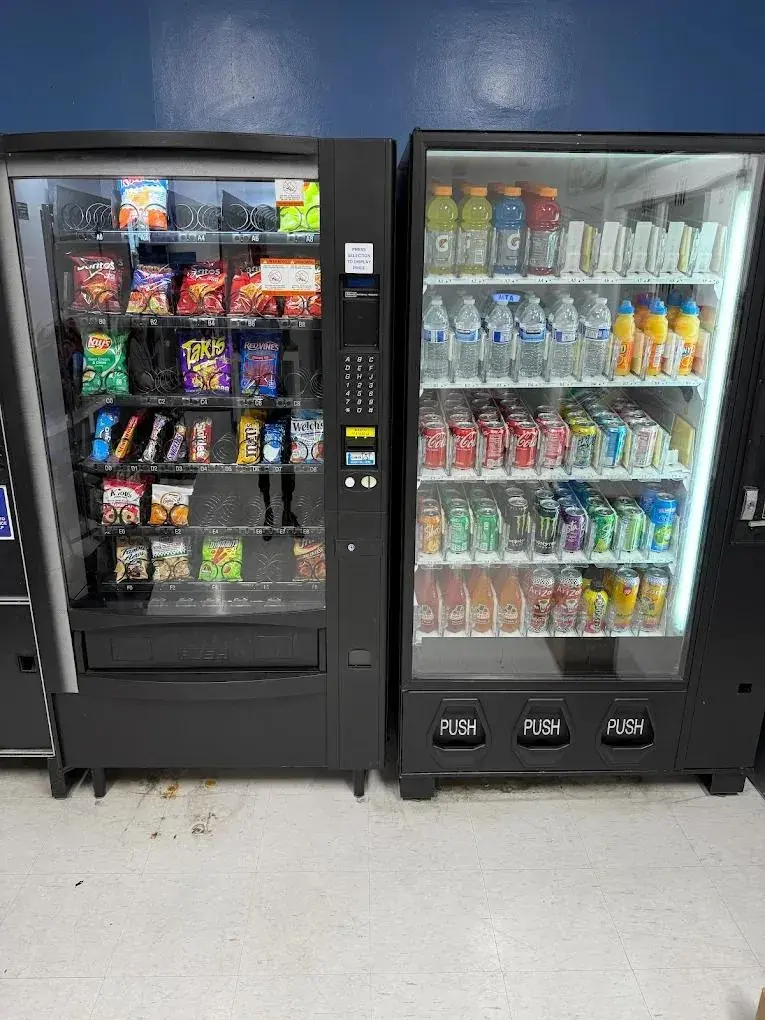
- Eye level is buy level. Put featured or high-margin items where people look first.
- Group similar items together (chips with chips, candy with candy, healthy section together).
- Place impulse items at the top where they catch attention during browsing.
- Put water and basics toward the bottom where people will look for them regardless of position.
Know Your Audience:
Demographics drive preferences. A tech company with a young workforce will consume more energy drinks and healthy snacks than a law firm with an older demographic that prefers premium coffee, dark chocolate, and sparkling water. A construction crew needs high-calorie, high-protein items and lots of hydration. A call center burns through energy drinks faster than anywhere else.
The best way to learn what your people want is to ask them, then validate with sales data. I always recommend sending a simple email survey when a new machine goes in. "What snacks and drinks do you want in the vending machine?" The responses tell you exactly what to stock. Then after the first month, the sales data tells you what people actually buy versus what they said they wanted (sometimes different).
Stocking and Inventory Management
Restocking Frequency:
- Standard office (50 to 100 people): Weekly
- High-traffic locations (100+ people, multiple shifts): Twice weekly
- Low-traffic locations (under 30 people): Bi-weekly
- 24/7 operations: Adjusted to shift patterns, often 2 to 3 times per week
FIFO Rotation: First In, First Out. During every restocking visit, new products go behind existing inventory so older items sell first. This prevents expiration issues, especially important for items like protein bars and any perishables in fresh food machines.
Seasonal Adjustments:
- Spring: Lighter snacks, sparkling water, iced tea. Phase out heavy winter comfort items.
- Summer: Extra hydration (water and sports drinks), frozen treats if supported, lighter fare.
- Fall: Seasonal flavors (pumpkin, apple, cinnamon), trail mix, warm beverages return.
- Winter: Comfort foods, hot chocolate and coffee, heartier snacks, higher overall vending usage because fewer people leave the building.
Maintenance: Keeping Machines Running
The National Automatic Merchandising Association (NAMA) publishes maintenance best practices that emphasize preventive care as the foundation of vending reliability. A well-maintained machine sells more because people trust it. A machine with a reputation for eating money or jamming products will get avoided even after the issue is fixed. Proper machine placement is just as important as maintenance for driving usage.
Preventive Maintenance Schedule:
| Frequency | Tasks |
|---|---|
| Every service visit | Wipe exterior, clean glass, check product delivery, test payment systems |
| Monthly | Deep clean interior, check cooling temps, inspect seals and gaskets |
| Quarterly | Lubricate mechanisms, inspect motors and belts, test all electronic components |
| Annually | Full mechanical service, refrigerant check, payment system upgrade assessment |
Common Issues and Fixes:
- Product jams: Usually caused by improper loading or bent spirals. SureVend technology detects these and auto-refunds. Manual fix involves adjusting the spiral position.
- Payment reader failure: Most often resolved by a reboot or cleaning the contactless sensor surface.
- Cooling issues: Check for blocked vents (often caused by pushing the machine too close to a wall). Compressor problems need a technician.
- Bill validator rejection: Usually a dirty sensor. Cleaning with a specific bill validator cleaning card resolves most issues.
Increasing Vending Machine Usage
If your machine is not getting the traffic you expected, the problem is almost always one of three things: placement, products, or awareness.
Placement Optimization:
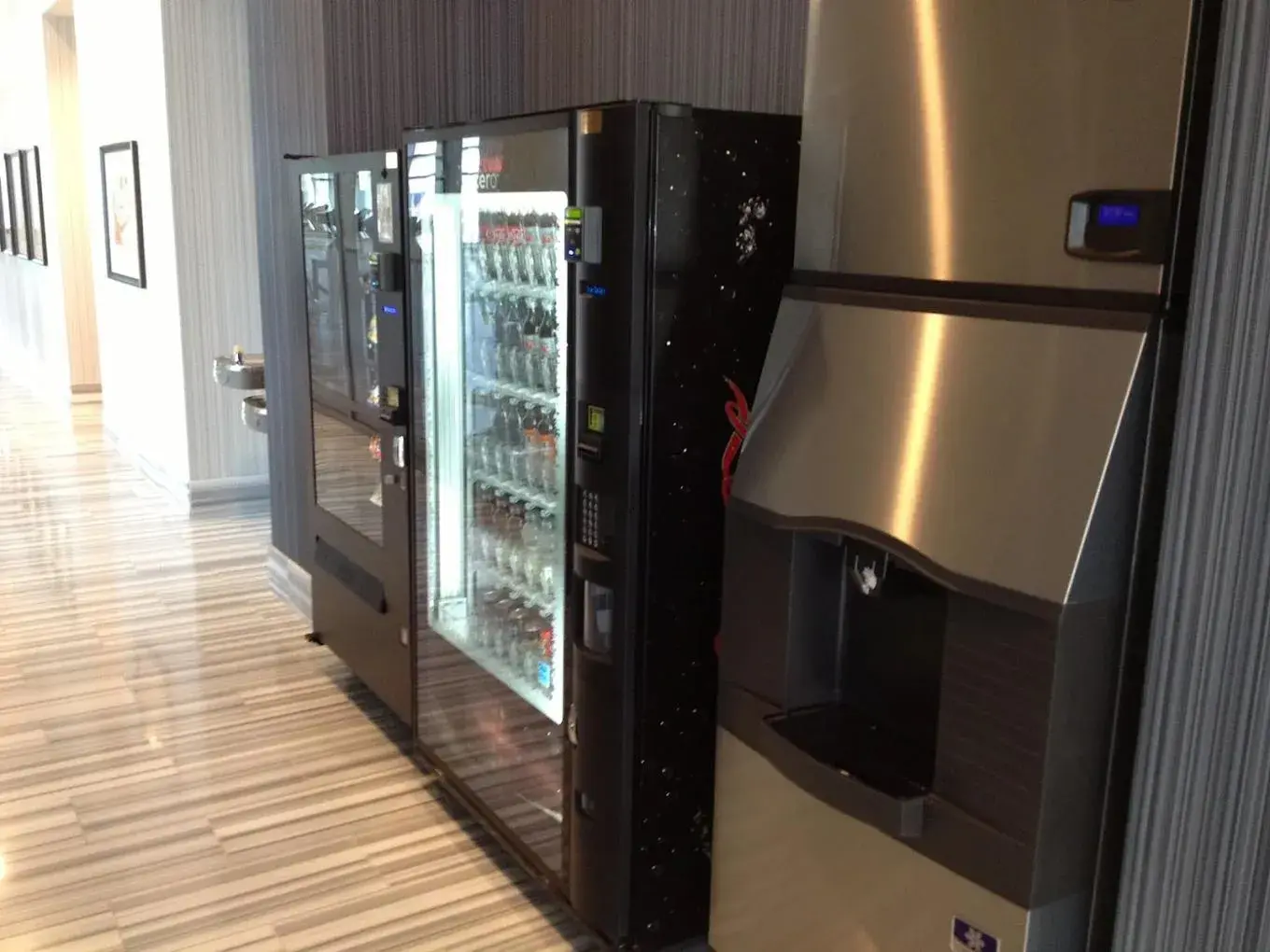
- Is the machine in a high-traffic area where people naturally pass? Or is it hidden in a back corner?
- Is there adequate space in front of the machine (4 to 5 feet) for comfortable browsing?
- Is the area well-lit? Dark corners suppress usage.
- Is it close to where people take breaks? Every extra 30 seconds of walking reduces usage.
Product Optimization:
- Survey employees about what they want. Then actually stock those items.
- Track what sells and what does not. Replace slow movers with new options.
- Ensure variety across categories. If every row is chips, people with other cravings have no reason to visit.
- Price appropriately. If items are significantly more expensive than the convenience store down the block, people will walk.
Awareness and Promotion:
- Send an email or Slack message when a new machine is installed. People cannot use what they do not know about.
- Post the accepted payment methods prominently. Some people assume vending machines are cash-only and do not bother checking.
- Announce when new products are added. "We just stocked Kind bars and LaCroix" gets people curious.
- Put a small sign near the machine showing the Wi-Fi password or a company announcement. It gives people a reason to walk over.
I had a client in Schaumburg, a mid-size accounting firm with about 60 employees. The machine was in the break room and usage was mediocre for the first two weeks. The office manager sent a simple email saying "Hey, the new vending machine has Apple Pay and we stocked it with the snacks you requested in the survey. Go check it out." Usage doubled that week. Sometimes people just need a nudge.
24/7 Operations: Serving Night Shifts
Night shift workers are the most underserved population in any facility. The cafeteria closes. Nearby restaurants close. Delivery apps have limited options at 3 AM. The vending machine becomes the only reliable food and drink source. For facilities running multiple shifts, our warehouse and manufacturing vending guide covers shift-specific stocking strategies in detail.
Night Shift Product Priorities:
1. Energy drinks and coffee (the top sellers on every overnight shift by a wide margin)
2. Water and hydration (dehydration is a real issue for workers focused on tasks)
3. Substantial snacks (protein bars, nuts, jerky that provide real sustenance, not just empty calories)
4. Quick meal options (sandwiches, wraps, microwaveable items if your break area has a microwave)
Stocking for Multiple Shifts:
| Shift | Peak Demand | Top Products |
|---|---|---|
| Day (6 AM - 2 PM) | Morning coffee, mid-morning snack, lunch | Coffee, breakfast items, lunch snacks |
| Swing (2 PM - 10 PM) | Afternoon energy, dinner alternative | Energy drinks, substantial snacks, meals |
| Night (10 PM - 6 AM) | All-shift energy, 2-3 AM peak | Energy drinks, coffee, protein, water |
The Night Shift Restocking Problem:
The biggest operational challenge with 24/7 facilities is timing the restock. If you restock during the day, the machine is depleted before the night crew even starts. If you restock too early, day shift products are cleared out by swing shift.
The solution is timing restocking to happen between the day and swing shift change (typically 2 to 4 PM in most facilities). This ensures the machine is full for swing shift and still reasonably stocked when night shift starts. For very high-volume locations, a second mid-week restock may be necessary.
Reliability Is Non-Negotiable:
For a day shift worker, a broken machine means walking to the cafeteria or a nearby store. For a night shift worker, a broken machine means nothing. There are no alternatives. OSHA guidelines emphasize that accessible food and hydration are part of maintaining a safe work environment, especially during extended or overnight shifts. This is why equipment quality and response times matter more for 24/7 operations than anywhere else.
Building a Maintenance Partnership with Your Provider
If you use a full-service provider, the quality of the relationship directly affects the quality of your vending experience.
What to Expect from a Good Provider:
- Consistent service schedule (same day, same approximate time each week)
- Proactive communication about product changes or issues
- Responsiveness when you request product swaps or report problems
- Sales data sharing so you can see what your team is actually buying
- Seasonal rotation without you having to ask
What to Communicate to Your Provider:
- Employee feedback about products (requests, complaints, preferences)
- Changes in your workplace (headcount changes, new shifts, renovations that affect access)
- Upcoming events that might increase usage (company parties, extended work periods)
- Any issues with the machine, even small ones. A small issue now prevents a big problem later.
Tracking Performance: Key Metrics That Matter
If you want to evaluate how well your vending setup is performing, here are the numbers worth paying attention to:
Sales Per Employee Per Week: According to BLS data on employee compensation and benefits, workplace amenities like vending contribute to overall job satisfaction metrics. A well-placed, well-stocked machine in a typical office averages 2 to 4 transactions per employee per week. If yours is significantly below that, the issue is usually product selection, placement, or awareness.
Stockout Frequency: How often are popular items empty when someone wants them? Good operations keep stockout rates below 5%. If the top-selling items are regularly sold out before the next service visit, the restocking schedule needs adjustment.
Product Turnover: What percentage of the product mix is actually selling? If more than 20% of your slots consistently underperform, those items need to be swapped for better options. Dead inventory wastes valuable machine real estate.
Service Response Time: When something goes wrong (jam, payment issue, cooling problem), how quickly does your provider respond? Good providers aim for same-day resolution. If you are waiting 3+ days for a fix, it is time to have a conversation or switch providers.
Payment Method Mix: Understanding how your team pays tells you about your audience. If 90% of transactions are cashless, you know the workforce is tech-savvy and mobile-first. This information can influence product selection (trendier options, healthier items, premium products). For more on the latest vending trends, including the shift toward cashless dominance, see our 2026 trends guide.
The Bottom Line on Vending Operations
Great vending is not about the machine itself. It is about what is inside the machine, where the machine is placed, how reliably it is maintained, and how well the product selection matches the people using it. Get those four things right and your vending machine becomes one of the most appreciated amenities in your workplace.
If you do not want to manage any of this yourself (and most businesses do not), that is exactly what full-service providers exist for. At Fast Fuel Vending, we handle every aspect of vending operations so you do not have to.
Call (321) 316-0416 for fully managed vending operations. We handle stocking, maintenance, and optimization so you can focus on running your business.